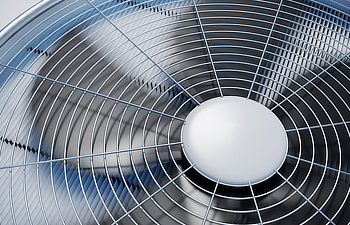
In the world of industrial operations, maintaining an efficient HVAC system is crucial. Not only does it ensure a comfortable working environment, but it also significantly impacts operational costs. A well-functioning HVAC system can enhance productivity, while an inefficient system can lead to increased energy consumption, higher repair costs and a decreased lifespan for your equipment.
So, how do you know if your industrial HVAC is running at peak efficiency?
Factors Robbing Your HVAC of Efficiency
The International Journal of Refrigeration (Volume 179, November 2025, states, “Amidst the global push towards carbon neutrality and peak carbon emissions, the escalating energy consumption in buildings has become a focal point. HVAC systems, as significant energy consumers, are pivotal in achieving sustainability goals.”
What can cause your commercial HVAC system to operate at less than peak efficiency?
- Poor Maintenance: One of the most common reasons for decreased efficiency in HVAC systems is poor maintenance. Neglecting regular inspections, filter changes and cleaning can lead to dirt buildup, restricting airflow and forcing your system to work harder than necessary.
- Leaky Ductwork: If your ductwork has leaks or is poorly insulated, conditioned air can escape, resulting in additional strain on your HVAC system. This not only disrupts the temperature balance in your facility but can also result in significant energy loss.
- Inadequate Sizing: An undersized or oversized HVAC system can dramatically reduce efficiency. An oversized system will cycle on and off frequently, failing to remove humidity, while a unit that’s too small will struggle to reach the desired temperature; both scenarios result in increased energy consumption.
- Old or Inefficient Equipment: Aging systems often lack the efficiency of newer models. Older HVAC units may not incorporate the same energy-saving technologies as modern systems, leading to higher energy bills and increased operational costs.
- Lack of Energy Management Practices: Without proper energy management practices, you may be running your HVAC system longer than needed or at the wrong times. Monitoring and adjusting set points, run times and zoning can optimize operations and energy usage.
The Financial Impact of Inefficient HVAC Systems
When your HVAC system is not running efficiently, it’s not just a matter of comfort; it’s also about your bottom line. Inefficiencies can lead to increased energy costs, which can erode the operating budget. Furthermore, the likelihood of breakdowns rises, resulting in costly repairs and downtime. Investing in efficiency now can save money in the long run by lowering operating expenses and prolonging the lifespan of your equipment.
How Aeras Building Solutions Can Help
At Aeras Building Solutions, we specialize in enhancing the efficiency of industrial HVAC systems. Our team provides comprehensive energy analysis and system assessments to help you understand how your system is performing and identify areas for improvement.
- Energy Analysis: Our experts will conduct a thorough evaluation of your HVAC system, identifying areas where energy is being wasted and assessing how changes can improve performance.
- System Assessment: We’ll assess your current setup, providing insights into retrofitting opportunities or upgrades that can enhance efficiency.
- Tailored Solutions: Once we identify your system’s inefficiencies, we collaborate with you to implement customized solutions that help achieve peak performance and reduce operating costs. This could involve upgrading equipment, modifying ductwork or improving your HVAC control strategies.
Commercial HVAC Energy Efficiency FAQs
What are the signs that my HVAC system is inefficient?
Signs include uneven temperatures, high energy bills, unusual noises and frequent breakdowns.
How often should I perform maintenance on my HVAC system?
Regular maintenance is recommended at least twice a year to keep your system running optimally.
What role do filters play in HVAC efficiency?
Dirty filters restrict airflow, causing your system to work harder and reducing its efficiency. Regularly changing filters is essential.
Are there energy-efficient HVAC upgrades I should consider?
Yes, consider upgrading to a high-efficiency system, installing programmable thermostats or carrying out duct sealing and insulation improvements.
How much energy can I save with an efficient HVAC system?
While savings vary, upgrading to an efficient system can reduce energy costs by 20-50%, depending on the specific circumstances.
Save Money with a Commercial HVAC Energy Analysis
Maintaining an efficient industrial HVAC system is not just about comfort; it’s essential for saving money and optimizing operations. By partnering with Aeras Building Solutions, you can ensure that your HVAC system operates at its best, paving the way for a more sustainable and cost-effective operation. Don’t wait until inefficiencies lead to higher costs—take action today!
Posted on behalf of